




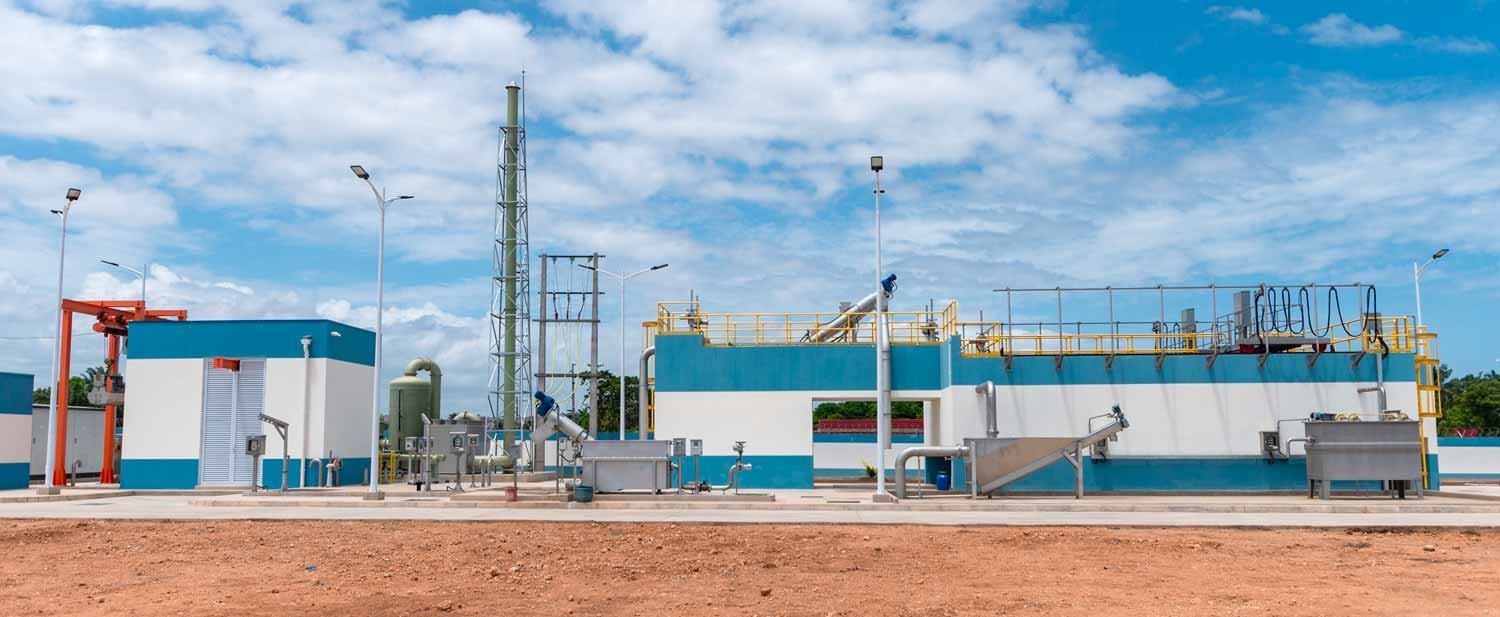

From Dakar to Kampala, access to safe drinking water and basic sanitation remains a critical issue. Millions of people continue to live without reliable water or hygiene facilities, and outbreaks of diseases such as cholera remain a persistent threat. In response, governments and local actors, supported by institutions like the African Development Bank, the African Union, and UNICEF, are testing innovative solutions. These initiatives go beyond traditional infrastructure, including digital tools, waste management strategies, climate-resilient systems, and community-based approaches, though challenges in scaling and sustaining them remain.
- Africa Mobilizes for Water and Sanitation
- Institutional Roles in WASH Innovation
- Emerging Solutions and Limitations
- Slow Progress Amid Health Emergencies
- Africa Mobilizes for Water and Sanitation
- Institutional Roles in WASH Innovation
- Emerging Solutions and Limitations
- Slow Progress Amid Health Emergencies
Key Areas of African WASH Innovation
Digitalization and Smart Water Management
Smart meters and digital monitoring systems are being deployed to reduce water losses and improve network efficiency, though adoption varies across regions.
Circular Sanitation and Waste Valorization
Some projects convert sludge into fertilizer or energy and use low-water toilets or off-grid sanitation solutions, but these remain limited in coverage.
Resilient Infrastructure and Nature-Based Solutions
Restored watersheds, reforestation, and solar desalination are being tested to secure safe water and reduce environmental impact, with mixed results depending on local conditions.
Africa Mobilizes for Water and Sanitation
In January 2026, the African Union launched a Continental Call for WASH Innovations. The initiative seeks to identify and support African solutions, technological, social, or institutional, that can improve access to safe water and sanitation. Selected projects receive technical and financial support and are showcased at pan-African forums.
While this provides opportunities for knowledge sharing, the real-world impact varies and long-term sustainability is still under evaluation.
Institutional Roles in WASH Innovation
A network of African and international institutions underpins many of these projects. The African Development Bank, through the African Water Facility, funds projects from urban infrastructure improvements to local governance programs. AfWA and UNICEF’s WASH Innovation Hub provide technical expertise, performance monitoring, and best-practice sharing. Coordination across countries allows for experience exchange, though differences in local capacity and resource availability can affect results.
Emerging Solutions and Limitations
Some initiatives have produced measurable improvements: Several initiatives across the continent have shown measurable improvements, though challenges remain. In Uganda, the Masaka–Mbarara and Gulu Water Supply and Sanitation projects have extended services to millions, contributing to improved public health outcomes. In the Democratic Republic of Congo, governance reforms aim to integrate hygiene practices into schools and health centers, although coverage is still uneven.
Meanwhile, in Senegal, Kenya, and Namibia, pilot programs using smart meters and off-grid sanitation solutions demonstrate potential to reduce water losses, but scaling these technologies remains a significant challenge. These examples illustrate that innovation in Africa combines multiple approaches, technology, community engagement, and governance, but success is uneven and context-dependent.
THE 39th AFRICAN UNION SUMMIT
- Date: February 2026
- Location: Addis Ababa, Ethiopia
- Focus: Water and sanitation, technological innovation, and climate resilience
- Objective: Review high-impact African WASH solutions, share experiences, and mobilize funding
- Participants: Heads of state, ministers of water and environment, institutional experts, and representatives from AfDB and UNICEF
Slow Progress Amid Health Emergencies
From Dakar to Kampala, access to safe drinking water and basic sanitation remains a critical issue. Millions of people continue to live without reliable water or hygiene facilities, and outbreaks of diseases such as cholera remain a persistent threat. In response, governments and local actors, supported by institutions like the African Development Bank, the African Union, and UNICEF, are testing innovative solutions. These initiatives go beyond traditional infrastructure, including digital tools, waste management strategies, climate-resilient systems, and community-based approaches, though challenges in scaling and sustaining them remain.
Africa Mobilizes for Water and Sanitation
In January 2026, the African Union launched a Continental Call for WASH Innovations. The initiative seeks to identify and support African solutions, technological, social, or institutional, that can improve access to safe water and sanitation. Selected projects receive technical and financial support and are showcased at pan-African forums.



While this provides opportunities for knowledge sharing, the real-world impact varies and long-term sustainability is still under evaluation.
Institutional Roles in WASH Innovation
A network of African and international institutions underpins many of these projects. The African Development Bank, through the African Water Facility, funds projects from urban infrastructure improvements to local governance programs. AfWA and UNICEF’s WASH Innovation Hub provide technical expertise, performance monitoring, and best-practice sharing. Coordination across countries allows for experience exchange, though differences in local capacity and resource availability can affect results.
Emerging Solutions and Limitations
Some initiatives have produced measurable improvements: Several initiatives across the continent have shown measurable improvements, though challenges remain. In Uganda, the Masaka–Mbarara and Gulu Water Supply and Sanitation projects have extended services to millions, contributing to improved public health outcomes. In the Democratic Republic of Congo, governance reforms aim to integrate hygiene practices into schools and health centers, although coverage is still uneven.
Meanwhile, in Senegal, Kenya, and Namibia, pilot programs using smart meters and off-grid sanitation solutions demonstrate potential to reduce water losses, but scaling these technologies remains a significant challenge. These examples illustrate that innovation in Africa combines multiple approaches, technology, community engagement, and governance, but success is uneven and context-dependent.
THE 39th AFRICAN UNION SUMMIT
- Date: February 2026
- Location: Addis Ababa, Ethiopia
- Focus: Water and sanitation, technological innovation, and climate resilience
- Objective: Review high-impact African WASH solutions, share experiences, and mobilize funding
- Participants: Heads of state, ministers of water and environment, institutional experts, and representatives from AfDB and UNICEF
Slow Progress Amid Health Emergencies
Despite ongoing initiatives, access to safe water and sanitation remains far from universal. According to the 2025 JMP report (UNICEF/WHO), 2.1 billion people lack safe drinking water, 3.4 billion have inadequate sanitation, and 354 million still practice open defecation.
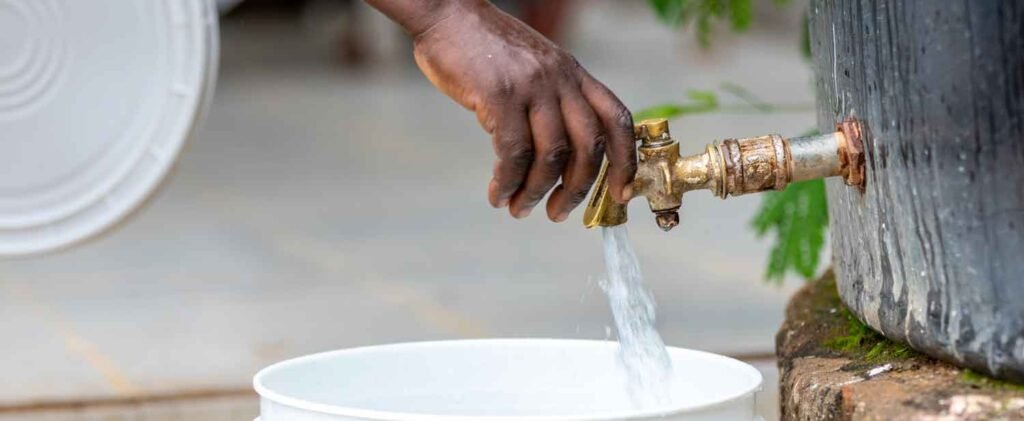
Health consequences are significant: in 2025, Africa recorded over 300,000 cholera cases and more than 7,000 deaths, underscoring the vulnerability of existing systems. Coverage disparities are pronounced, with low-income countries often having much lower access to safe water than wealthier nations.
Even as some rural areas make progress, overall coverage is insufficient to meet the Sustainable Development Goals by 2030. Accelerating investments, strengthening institutions, and testing innovative approaches remain urgent priorities.
Africa’s water and sanitation sector is evolving through a mix of technological, institutional, and community-based innovations. While promising, these approaches face significant challenges in scale, sustainability, and equity. Ongoing monitoring, adaptation, and investment will be crucial to ensure that these initiatives translate into long-term improvements and help the continent meet its development goals.