






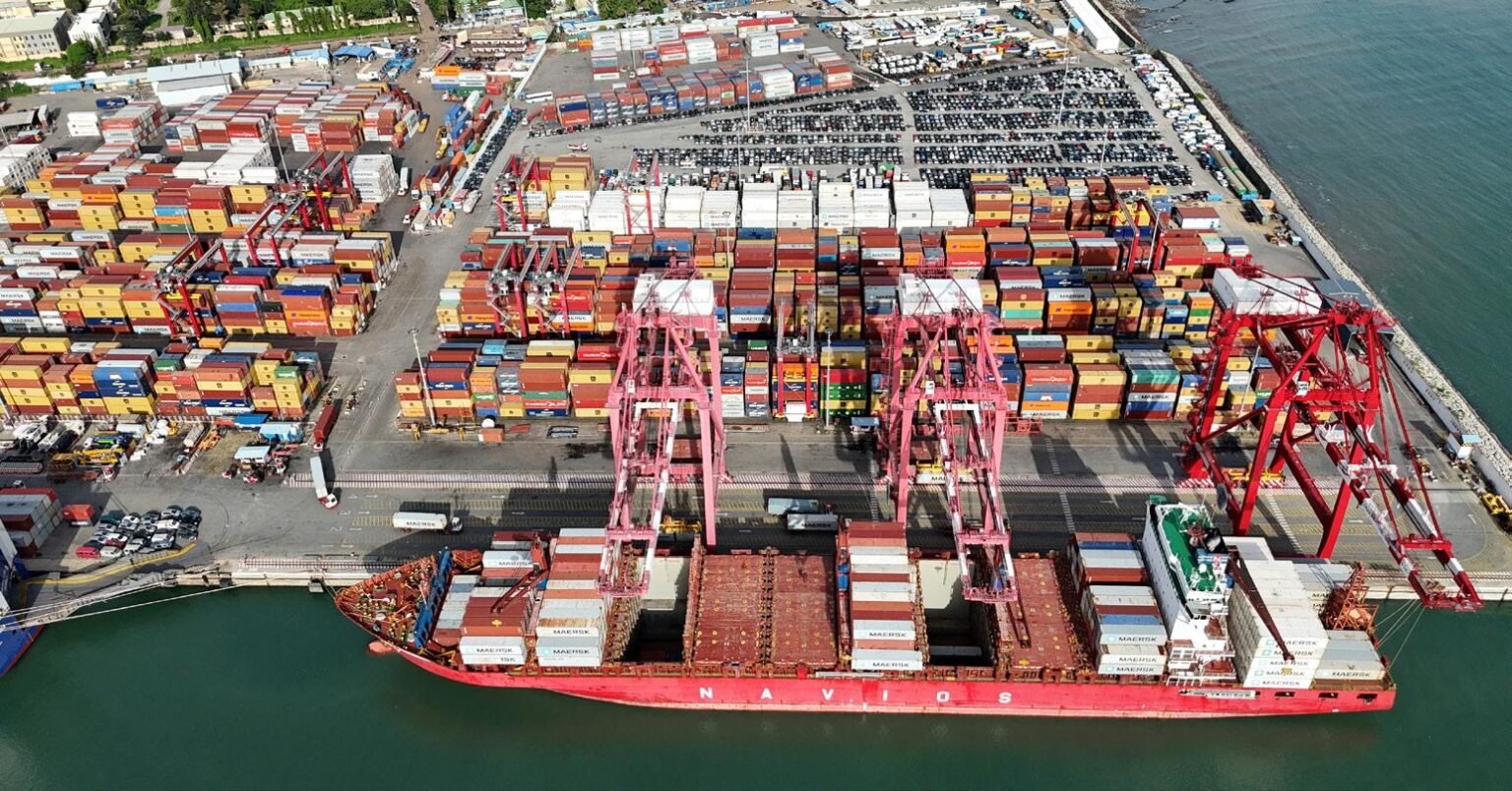

In a strategic shift aimed at reducing its longstanding dependence on the traditional trade corridors through Senegal and Côte d’Ivoire, Mali has reached a landmark agreement with neighbouring Guinea to develop a new transit route for its goods via the Port of Conakry. Announced on January 28, 2026, at the conclusion of Mali’s Council of Ministers, this agreement grants Bamako official access to port facilities and logistical support in Conakry, while Mali, in turn, has ceded 10 hectares of land near the Kouremalé–Bamako road for the construction of storage and transport infrastructure.
A Strategic Realignment of Trade Routes
This initiative comes as part of a broader effort by Mali, a landlocked West African economy, to reduce vulnerabilities associated with its reliance on the corridors of Dakar and Abidjan, which collectively handle millions of tonnes of its freight each year.
The decision by Mali’s government to pivot toward a corridor through Conakry reflects both long‑term economic planning and immediate logistical needs. Under the agreements signed with Guinea, Mali secures dedicated port spaces and facilitation of cargo handling at the Port of Conakry for both imports and exports, ensuring smoother movement of goods destined for or originating from Bamako. In exchange, Mali granted Guinea a 10‑hectare parcel of land at no cost for the development of logistics and storage facilities close to the border, a move designed to anchor the new corridor in physical infrastructure rather than temporary arrangements.
Over recent years, trade via the Guinea route has been growing, albeit from a modest base: exports from Mali moving through Guinea rose from 299 tonnes in 2022 to 7,624 tonnes in 2023, with early 2024 data showing continued growth. By contrast, the Port of Dakar handled approaches of 2.5 million tonnes of freight bound for Mali in 2025, and the Port of Abidjan saw over 835,000 tonnes, a figure that itself represented a 24.3 % increase year‑on‑year.
Despite these increases in Guinea traffic, the volumes are still dwarfed by the established corridors, a reminder of both the opportunity and challenge that the Conakry alternative presents.
Navigating Challenges and Strategic Intent
Mali’s move to formalise a transit route through Conakry cannot be understood without reference to the broader economic and political pressures that have shaped its supply chain strategies. In 2022, sanctions imposed by the Economic Community of West African States (ECOWAS) exacerbated Mali’s logistical vulnerabilities, particularly exposing the risks of overreliance on a narrow set of transit routes. This experience has bolstered political will in Bamako to explore alternatives.
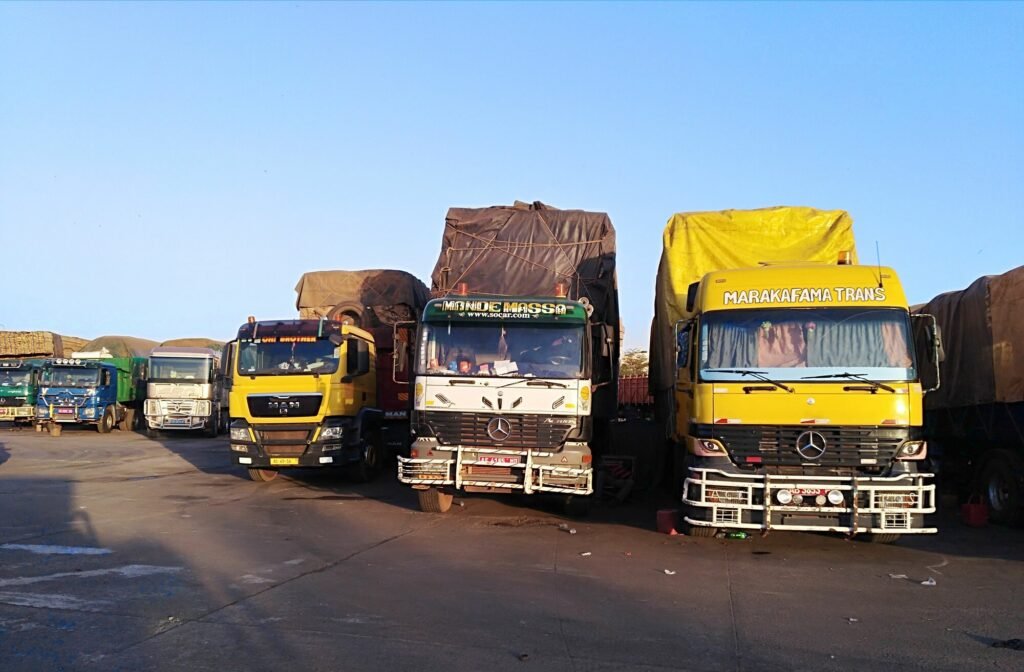
Nevertheless, experts caution that the viability of the Conakry corridor will depend on several practical factors beyond high‑level agreements. The competitiveness of port costs, the condition of transport infrastructure, and security along the road network remain central to determining whether this route can evolve into a credible alternative to the entrenched corridors via Dakar and Abidjan.
Regional Implications and Economic Significance
The strategic implications of this agreement extend beyond the borders of Mali and Guinea. By securing port access and logistical spaces in Conakry, Bamako is asserting a degree of trade sovereignty that, if successful, could serve as a model for other landlocked economies in West Africa seeking to diversify their access points to global markets.

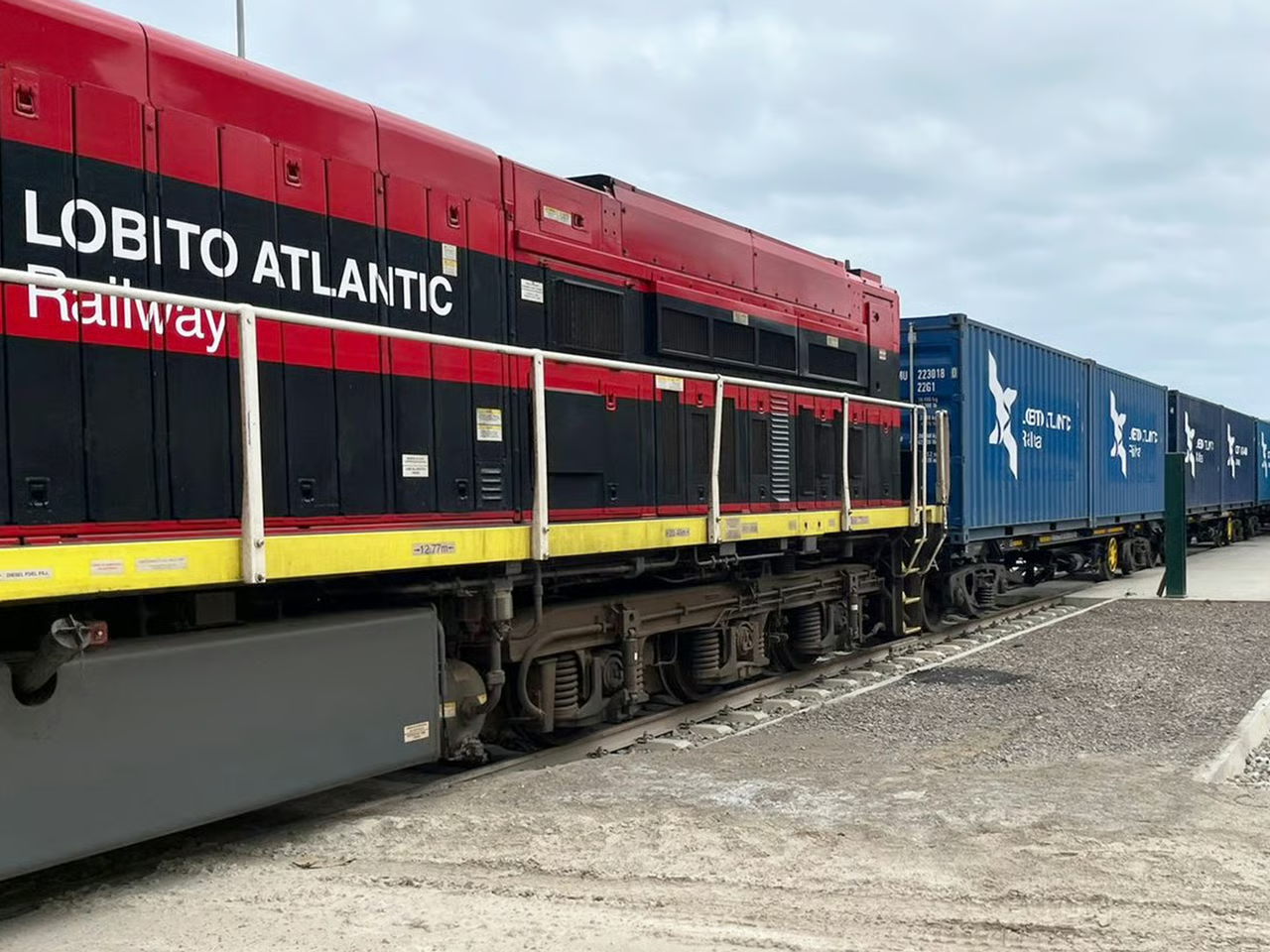
The new transit route also underscores the importance of enhanced regional cooperation in West Africa’s transport and logistics landscape. Agreements that formalise shared use of infrastructure can help reduce transit times, improve predictability for shippers, and attract private investment in transport and storage services. The coordination between Bamako and Conakry could thus form the basis for broader cooperation, potentially involving customs harmonisation and joint development projects that benefit traders on both sides of the border.
What This Means for African Trade
For West Africa, the emergence of a viable Conakry–Bamako corridor represents a strategic diversification of trade routes that, while still nascent, reflects shifting patterns of regional logistics. The reliance of landlocked Mali on a small number of coastal gateways has historically left it exposed to bottlenecks and geopolitical risks; the Guinea alternative offers a complementary path that, over time, could rebalance freight flows and engender more resilient supply chains.
Moreover, if port planners and logistics stakeholders can address the infrastructural and cost barriers that currently limit the corridor’s competitiveness, the Conakry route could bolster intra‑African trade and support integration across the Economic Community of West African States (ECOWAS). As policymakers increasingly prioritise infrastructure connectivity and economic integration, corridors like this one may yet play a central role in shaping Africa’s trade architecture.