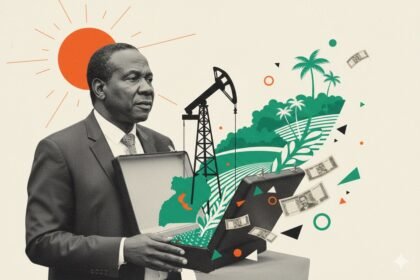


As tech giants plan to invest up to $8 trillion in AI by 2030, one consequence is flying under the radar: a surge in demand for critical minerals. Africa, home to 70% of the world’s cobalt reserves and major lithium deposits, holds a key card. If data is the new oil, critical minerals are the new power. And this time, the cards could be reshuffled.
BOX: MATERIAL & ENERGY REVOLUTION HORIZON 2030
- $1.8–8 trillion: Potential valuation of the global AI market by 2030.
- 70%: Share of the DRC in global cobalt supply, essential for batteries.
- 9%: Share of U.S. electricity consumption projected to be absorbed by data centers in 2030.
- ×5: Expected increase in lithium demand by 2030, according to the IEA.
- 1st: Zimbabwe’s rank in Africa for lithium reserves (target: $3 billion in added value).
Towards the End of “Raw” Extraction
Long confined to the role of mere raw material suppliers, African countries are shifting paradigms. Zimbabwe and Namibia have taken strong measures to ban the export of raw lithium to promote local processing. Zimbabwe has enforced this restriction since 2022 and plans to extend it to concentrates by 2027, while Namibia followed a similar path in 2023. The goal is clear: to compel industrial giants to build refining plants locally.
African Strategies in Motion
This “value capture” strategy aims to transform a rent-based economy into a genuine industrial hub. In Zimbabwe, the lithium market could reach $3 billion by 2030, not merely through extraction volumes, but through wealth generated locally.
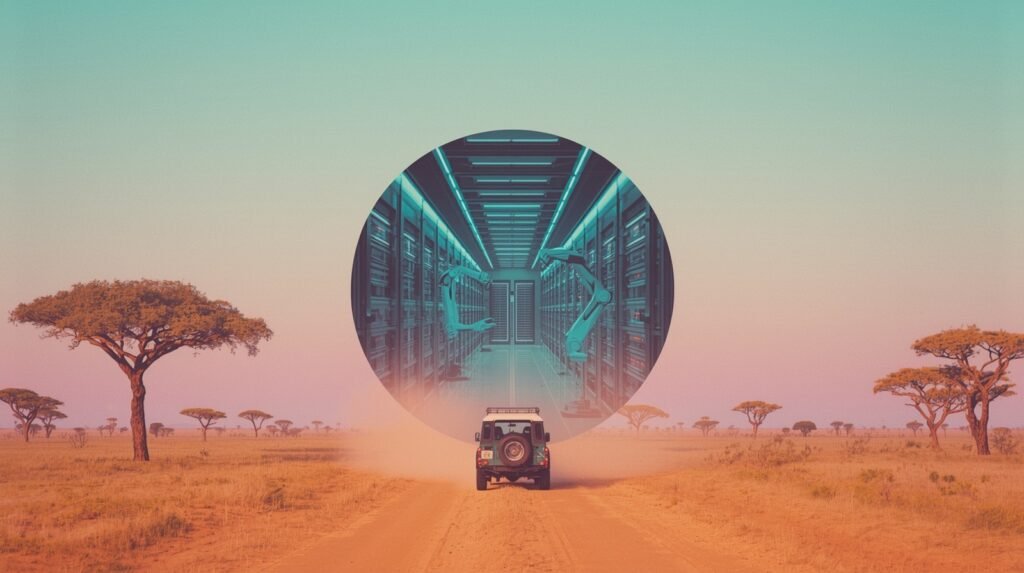
In the DRC, pressure is also mounting to ensure that cobalt revenues benefit local populations and support the development of a robust regional value chain.
A Shift in the Balance of Power?
Dependence is now mutual. While Africa needs capital, Big Tech has a vital need to secure supply chains. Facing China’s dominance in refining, Europe and the United States are actively courting African capitals. This competition gives the DRC and its neighbors an unprecedented diplomatic lever to negotiate not just extraction contracts, but genuine technological partnerships.
Africa Confronting the Challenges of Added Value
Aware of this vulnerability, the tech industry is diversifying sources by funding projects in Australia and Canada. Companies like Tesla and BMW are signing direct contracts, while the West attempts to relocate production. For Africa, the urgent priority is structuring: traceability, local refining, and massive investments in rail and energy infrastructure are prerequisites to seize this historic opportunity.
Towards a “Silicon Savanna”?
The challenge remains immense. For Africa not to be once again the great sacrificed continent of technological transition, it must transform its mineral reserves into sustainable infrastructure. Experts argue that if this gamble succeeds, the continent will no longer merely supply the world’s batteries, it will drive a fairer AI era. A future where wealth does not stop at mine gates, but fuels sustainable growth for its own people.
The time when Africa endured the progress of others may finally be coming to an end.