


The statistics are a grim reminder of a persistent crisis: in 2025 alone, Africa recorded over 300,000 cholera cases. Yet, as the continent prepares for the 39th African Union (AU) Summit (February 11–15), the conversation is shifting from crisis management to “Smart Infrastructure.” With the 2030 Sustainable Development Goals looming, Africa is increasingly bypassing centralized piped networks in favor of decentralized solutions.
Key Areas of African WASH Innovation
Digitalization and Smart Water Management
Smart meters and digital monitoring systems are being deployed to reduce water losses and improve network efficiency, though adoption varies across regions.
Circular Sanitation and Waste Valorization
Some projects convert sludge into fertilizer or energy and use low-water toilets or off-grid sanitation solutions, but these remain limited in coverage.
Resilient Infrastructure and Nature-Based Solutions
Restored watersheds, reforestation, and solar desalination are being tested to secure safe water and reduce environmental impact, with mixed results depending on local conditions.
Digital Grids and Circular Waste
The major breakthrough in early 2026 is the Digitalization of Water. In cities like Dakar and Nairobi, smart meters and IoT (Internet of Things) sensors are being deployed to combat “Non-Revenue Water”, water lost to leaks or illegal connections. These systems allow utilities to detect bursts in real-time, saving millions of gallons in drought-prone regions.
Parallel to this, the concept of Circular Sanitation is gaining ground. Instead of traditional sewers, which require massive water volumes, projects in South Africa and Rwanda are turning “sludge into wealth.” Off-grid toilets are converting human waste into organic fertilizers and biogas, addressing both sanitation and energy poverty in informal settlements.
Institutional Firepower
This innovation surge is fueled by the African Development Bank’s (AfDB) African Water Facility, which recently unlocked new funding for urban climate resilience. Furthermore, the AU’s January 2026 “Continental Call for WASH Innovations” aims at identifying African-led startups that will receive technical backing from UNICEF’s WASH Innovation Hub.
However, the challenge remains one of scale. While pilot programs in Uganda, such as the Gulu Water Supply project, have successfully reached millions, rural coverage continues to lag. The disparity is stark: while urban access is improving, remote villages often remain dependent on unprotected, climate-vulnerable sources.
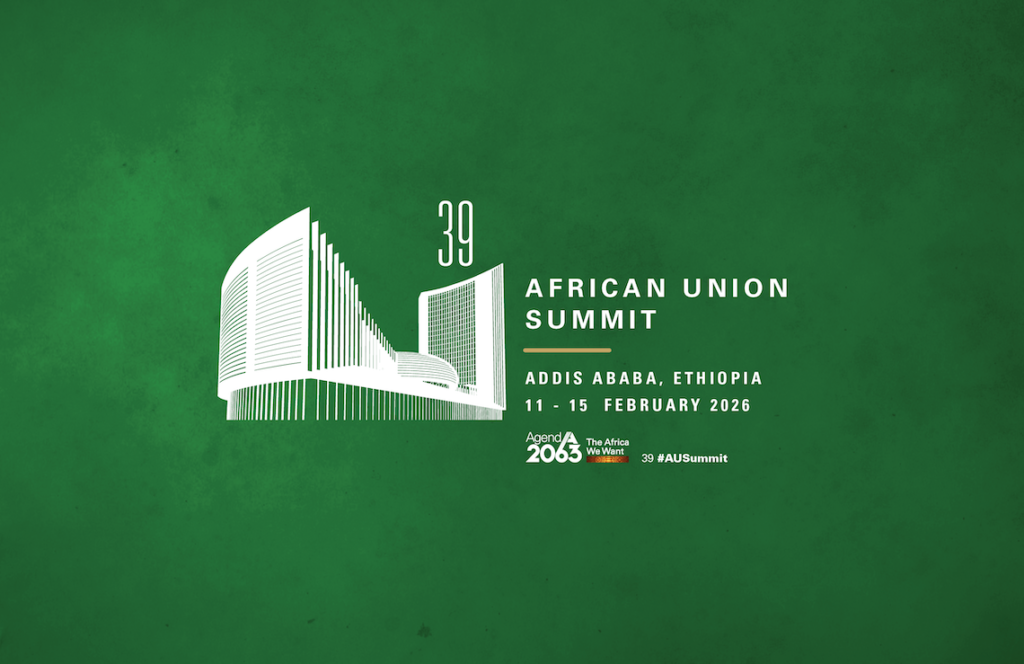
THE 39th AFRICAN UNION SUMMIT
- Date: 11-15 February 2026
- Location: Addis Ababa, Ethiopia
- Focus: Water and sanitation, technological innovation, and climate resilience
- Objective: Review high-impact African WASH solutions, share experiences, and mobilize funding
- Participants: Heads of state, ministers of water and environment, institutional experts, and representatives from AfDB and UNICEF
The Climate Threat
The urgency of these reforms is underscored by the erratic weather patterns of early 2026. With intensified droughts in the Horn of Africa and unprecedented flooding in the Sahel, “business as usual” infrastructure is no longer viable. The move toward Nature-Based Solutions, such as restored watersheds and managed aquifer recharge, will be a central pillar of the Addis Ababa negotiations next week.
The Bottom Line: Technology is no longer the bottleneck; financing and governance are. The “smart” systems being tested today must be matched by the political will to ensure that clean water becomes a universal right rather than a geographic privilege.